The Biological Science & Technology category serves as a central platform for exploring contemporary technologies and the complexities of living organisms and the fundamental mechanisms that drive biological systems. We emphasize high-impact research spanning molecular biology, genetics, ecology, biotechnology, and physiological systems. This research helps us document vital discoveries, ranging from microscopic cellular processes to large-scale ecosystem dynamics, ensuring a comprehensive understanding of life in our rapidly changing environment.
Pathogens that can develop resistance to antimicrobial treatments has become a phenomenon extensively recorded over the last few years. Pathogens including Escherichia coli are dangerous to humans and are capable of resisting a variety of treatments. Treatments using clove (Syzygium aromaticum) esse...
Approximately 95,000 cases of E. coli related food poisoning are reported in the U.S. each year. The purpose of this study is to improve the effectiveness of the antibiotic Neosporin against bacteria by supplementing it with the polyphenol resveratrol. There is a great deal of information about the ...
Ever since the scientific community has identified increasing levels of global warming, the necessity for public education and awareness has become apparent. While individual efforts to mitigate climate change may seem fruitless, they are a crucial parameter to measure interest in and compassion for...
Vitamin A, not naturally produced by the body, undergoes a series of metabolic steps to become retinyl esters, which are then stored and activated in the liver. Before being stored as retinyl ester in HSCs (hepatic stellate cells), though, the liver receives retinol bound to chylomicrons from the in...
Author:
Sarah Yang, Kahyung Ko, An-jae Kim, Nayeon Kim
July 20, 2023
Organic photovoltaics (OPVs) are a solar cell technology that utilizes organic materials, such as polymers or small molecules, to generate electricity from sunlight. Unlike conventional silicon-based solar panels, OPVs are constructed from carbon-based materials. These solar cells consist of layers ...
Society has seen a rapid growth of technology and social media use in recent years as traditional newspapers, broadcasters, and magazines have experienced a loss of subscribers and revenue to online news sources. Despite having negative effects on traditional journalists, the recent rise of social m...
Alzheimer’s Disease (AD) is an irreversible neurodegenerative disease which affects more than six million Americans. Although the etiology of AD is unclear, studies suggest alcohol consumption as a risk factor for dementia requiring neurologists’ aid. The prevalence of binge drinking wor...
Wifi serves as a vital tool to connect people around the world. This experiment was done to test different materials and their effect on wifi signals. It was hypothesized that the conductors of electricity will attenuate wifi signals more than the insulators of electricity. I gathered common househo...
Memory is in the hippocampus, the center for learning. With increasing age, the hippocampus has fewer neuronal connections leading to weaker memory. 65% of adults 65+ suffer with memory. 1% progress onto serious impairments. Previous studies suggest age hinders memory, however, it’s not well u...
According to the UN, 95% of the agricultural land will be degraded and twice as much water will be needed to produce food in the future. One-quarter part of world’s agriculture is located in regions with water scarcity, which has led to the irrigation of crops with the sewage. This has become ...
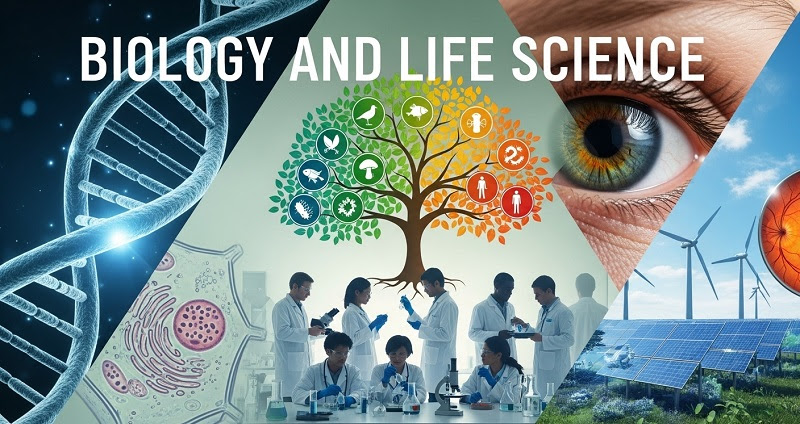 The Biological Science & Technology category serves as a central platform for exploring contemporary technologies and the complexities of living organisms and the fundamental mechanisms that drive biological systems. We emphasize high-impact research spanning molecular biology, genetics, ecology, biotechnology, and physiological systems. This research helps us document vital discoveries, ranging from microscopic cellular processes to large-scale ecosystem dynamics, ensuring a comprehensive understanding of life in our rapidly changing environment.